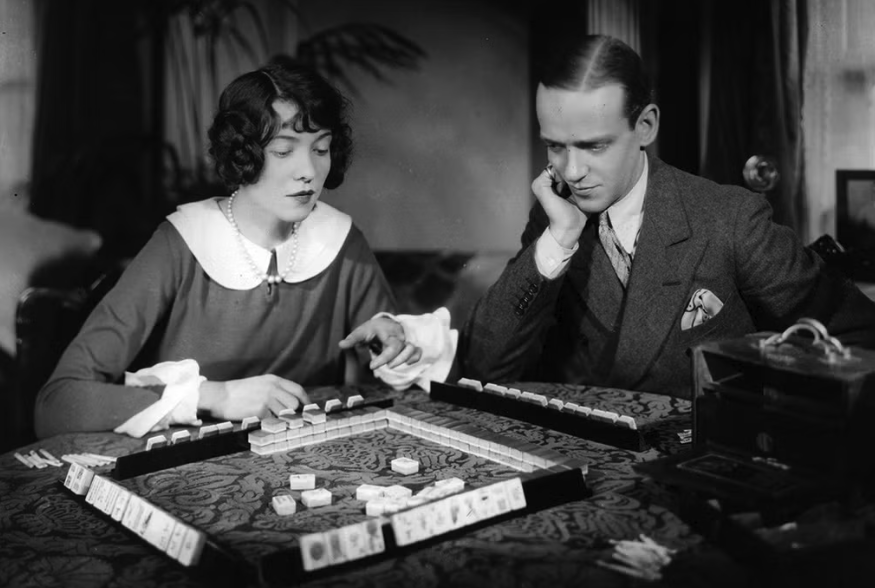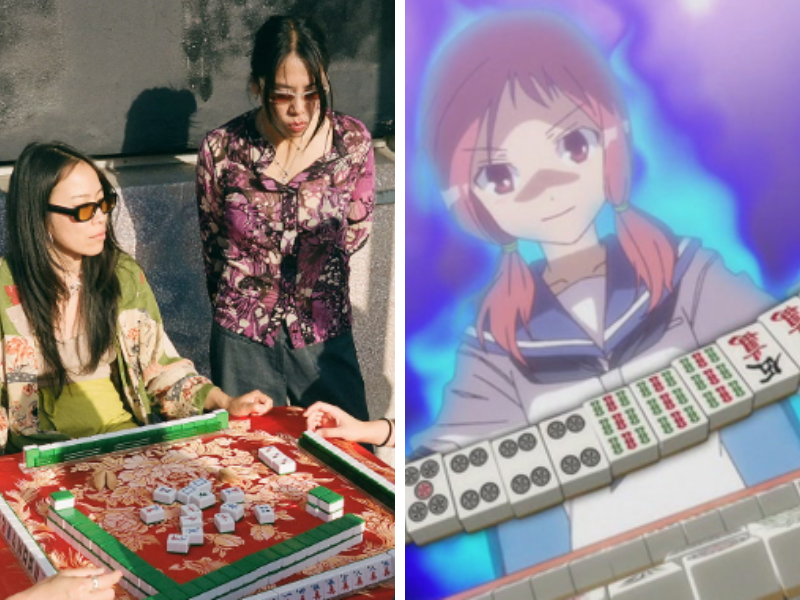
Mahjong, one of the world’s most enduring and beloved tile games, has blossomed into countless regional variations—each with its own rhythm, charm, and philosophy. Among these, Chinese Classical and Japanese Riichi Mahjong stand as two of the most popular and culturally significant forms. At first glance, they look almost identical: four players, similar tiles, and the familiar goal of completing a winning hand. But beneath the surface, these two styles tell very different stories about how a game can evolve to express a culture’s character.
Learning both versions doesn’t just expand your skill, it opens a window into how people think, play, and connect across generations.
A Shared Core with Different Spirits
Both versions of mahjong revolve around the same elegant mechanics: draw a tile, discard a tile, and gradually assemble combinations, melds and pairs, that form a complete hand. Yet, what makes the game truly fascinating is how these two traditions interpret the same foundation in their own unique ways.
Mahjong traveled from China to Japan in the 1920s, where Japanese players began refining it to suit their own love for structure, subtlety, and competition. Over time, the rules evolved into what we now call Riichi Mahjong—a sleek, deeply strategic version that emphasises timing, precision, and the psychology of risk. It became a game not only of tiles but of tension and storytelling, featured in manga, anime, and televised tournaments.
In China, mahjong remained closer to its original social roots. It evolved more gradually, leading to the formalised Chinese Official rules that emphasise accessibility and clarity. The focus is on forming beautiful, balanced hands, with points awarded for recognisable patterns rather than high-stakes gambles. It’s easy to learn, but endlessly expressive—a game of steady progress and intuitive strategy.
#mahjong_dearasia
We know learning Mahjong on your own is hard—and not very fun. Dear Asia is the Mahjong school you’ve been looking for. Based in London, book tickets for our regular Saturday workshops below or hire our private Mahjong instructors.
Different Philosophies, Different Flows
The heart of Chinese Official Mahjong lies in celebrating completion and creativity. Each valid combination of tiles, or fan, contributes to your score, and there’s great satisfaction in building a clean, well-crafted hand. It’s a game that rewards thoughtful play without overwhelming beginners, and it’s as much about enjoying the process as it is about winning.
Japanese Riichi Mahjong, by contrast, adds layers of tension and risk. Players can declare riichi—locking their hand in place and betting on their readiness to win, in exchange for higher potential rewards. The introduction of dora bonus tiles and intricate scoring mechanics turns every round into a subtle dance between courage and caution. You read your opponents’ discards, guard against traps, and sometimes choose defence over ambition.
If Chinese mahjong feels like painting with careful strokes, Riichi feels like a chess match with hidden moves. Both demand focus and intuition, but they pull on different kinds of thinking.
The Art of Scoring and Strategy
Scoring is where the two worlds diverge most clearly.
Chinese Official Mahjong’s system is structured and intuitive. Players earn points based on specific hand patterns such as “All Pungs” or “Pure One Suit.” This encourages players to experiment with combinations and find joy in the creative process of tile-building. It’s approachable for beginners but still offers room for elegant mastery.
Japanese Riichi Mahjong, on the other hand, transforms scoring into a dramatic equation of risk and reward. Players must meet at least one yaku, a recognized winning condition, to claim victory, and these conditions can multiply through han and fu bonuses. Add in dora tiles, riichi bets, and the possibility of yakuman (limit hands that score spectacularly high), and you get a system that feels thrillingly alive. It can seem complex at first, but it rewards every ounce of skill and nerve a player brings to the table.
A Matter of Culture and Character
How these versions are played also reflects their cultural homes. In China, mahjong is a social ritual—played at family gatherings, neighborhood cafes, and holiday celebrations. Conversation flows freely between draws and discards; the game is as much about togetherness as it is about tiles.
In Japan, Riichi mahjong carries a different energy. It’s often treated as a refined, almost cerebral pursuit, a space where logic meets instinct. Its competitive scene is vibrant, with televised matches and professional players who approach each hand like a tactical puzzle. Yet even within its tension, Riichi retains a quiet, respectful atmosphere: a shared appreciation of the game’s elegance and depth.
Both versions, at their core, are about human connection and learning to read not just tiles, but people.
Chinese VS Riichi
| Feature | Chinese Official Mahjong | Japanese Riichi Mahjong |
|---|---|---|
| Number of Tiles | 144 | 136 + optional red dora tiles |
| Winning Hands | 4 melds + 1 pair (standard) | 4 melds + 1 pair, must include at least 1 yaku |
| Melds | Pung, Chow, Kong; mostly open | Pung, Chow, Kong; concealed hands valued more |
| Scoring | Points based on patterns (fan); simple and additive | Points based on yaku (required), han (multipliers), fu (mini-points), dora (bonus tiles) |
| Riichi / Bets | Not used | Riichi allows players to lock their hand for extra points |
| Strategy Focus | Building valid hands efficiently; pattern recognition | Risk management, hand reading, defense, timing, and psychology |
| Typical Play Style | Open, social, accessible | Tense, strategic, competitive |
| Cultural Context | Family and community games | Professional leagues, televised matches, anime/manga influence |
| Learning Curve | Beginner-friendly | Moderate to advanced; easier after learning Chinese Mahjong |
Learning Both, and Learning Smart
If you’re new to mahjong, starting with Chinese Mahjong is the easiest way in. Its rules are straightforward, scoring is clear, and the game encourages open, intuitive play. By focusing on pattern recognition, hand-building, and basic strategy first, you’ll gain confidence and develop the skills that carry over into any mahjong variant.
Once you’re comfortable with Chinese mahjong, transitioning to Japanese Riichi Mahjong becomes far more approachable. Riichi builds on the same tile mechanics but adds layers of strategy, concealed hands, yaku requirements, and bonus scoring. Having a solid foundation in Chinese play means you can focus on these additional rules and strategic nuances without getting lost in the basics.
In short, learning Chinese mahjong first is like learning the alphabet before writing poetry, the fundamentals make the more complex form easier, richer, and more enjoyable.
Want to hire us?
London Mahjong Instructors
Our Mahjong instructors are professional teachers who know how to teach anyone to play—quickly, practically, and in a fun, social way. Read our reviews to see how well we do. Book us for your event—we’ve worked with celebrities, film sets, and large corporate functions!
Where can you learn it?
The best way to understand mahjong isn’t just to read the rules, it’s to sit at a real table, hear the tiles shuffle, and experience the rhythm of play for yourself. Workshops, clubs, and community sessions create that perfect environment: you learn through doing, with others who share your curiosity.
That’s exactly what Dear Asia London Mahjong Workshop is designed to offer. Beginners can start with Chinese style workshops, where you’ll learn the fundamentals in a welcoming, hands-on setting guided by experienced instructors. These sessions build the skills and confidence needed to later explore the Japanese Riichi Mahjong.
For those who already know how to play Chinese or Riichi mahjong, we also offer our Just Play Club, a relaxed space to enjoy rounds with fellow enthusiasts, refine your strategy, and connect with the local mahjong community.
Mahjong, in any form, is more than just a pastime. It’s a meeting of mind and luck, patience and play, a timeless conversation carried through generations. Learn both styles, and you don’t just learn a game; you learn to see the beauty in how small choices ripple through a larger pattern, just like the tiles themselves.